
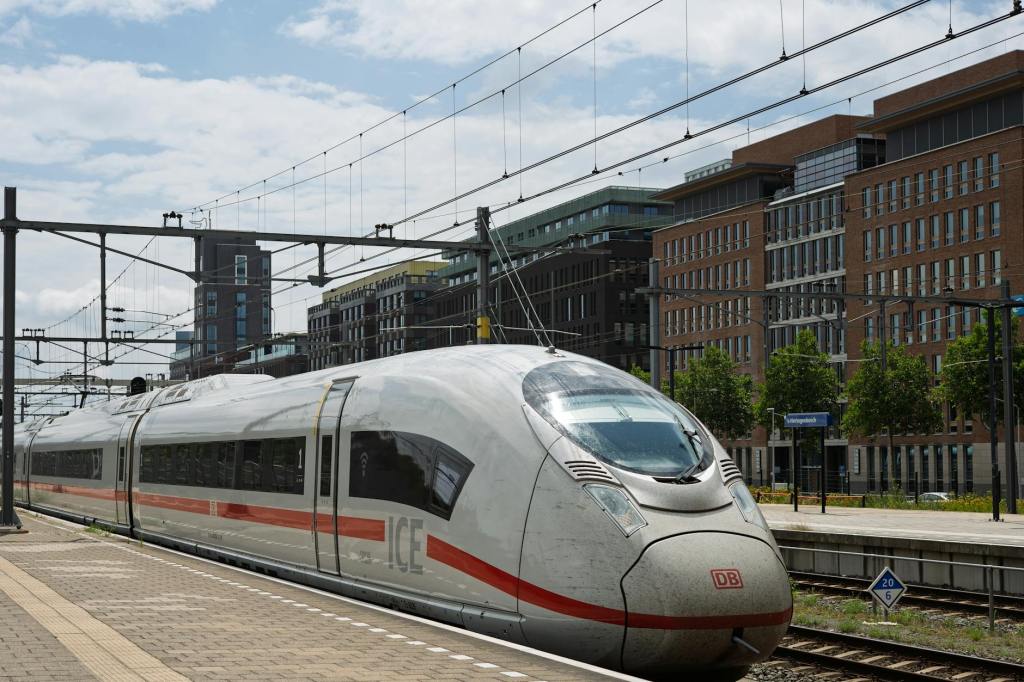
Today I sat down with a transportation policy advisor on Capitol Hill to dig deeper into my independent research topic of congestion and outdated infrastructure along Amtrak’s Northeast Corridor. But after the interview ended, one question stayed in my mind from the discussion: can infrastructure policy truly serve people when it is largely bound to politics?
One of the topics heavily discussed was California’s high-speed rail project, which was once envisioned as a model of sustainable progress and innovation, but as she put it, it was “built politically,” reshaping into something that would only satisfy political interests rather than the state’s actual mobility and connection needs. Meanwhile, while discussing the possibility of straightening tracks along the Northeast Corridor to ease congestion, she shared with me that doing this would help bottlenecking and travel times but would run into a lot of resistance with property owners of waterfront estates that would be impacted by reforming the line, particularly in Connecticut.
It’s a clear clash between what’s politically possible and what’s publicly necessary. Reforming track lines and investing in high-speed systems could reduce highway congestion, lower emissions for decades to come, and connect states efficiently using a reliable network. Yet the journey toward that vision has to go through layers of local opposition and legislative compromise.
So, my question remains: how do we build systems that prioritize people over politics so that we can move both faster and forward?







Leave a comment