
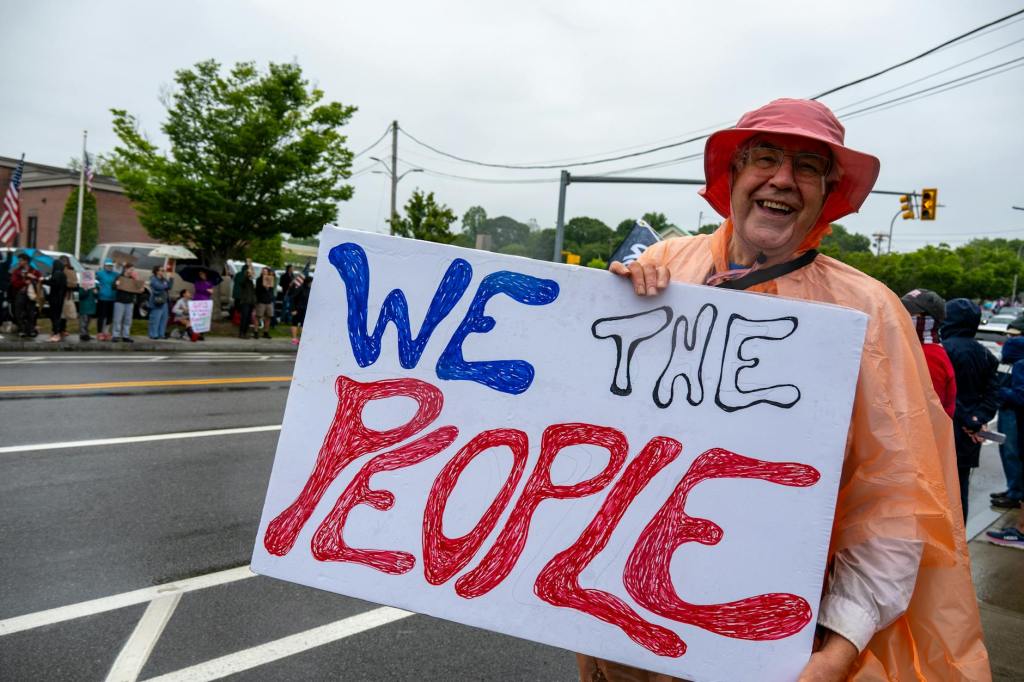
Public policy planning begins with a promise to serve everyone; however, often the blueprints of policy that impact communities of people are created in rooms where not everyone is represented. The language of “public good” can sound inclusive, but in practice it isn’t often executed for everyone. While researching offices on Capitol Hill, I noticed many constituents commenting on their representatives’ Instagram accounts, expressing frustration that no town halls were being held in their district. These concerned comments reminded me that people want to be part of the process, but too often the avenues to participate are limited or missing. Who decides what successful progress looks like, and who is expected to simply adapt?
When communities most affected by decisions are not a part of the drafting process, equity can easily become an afterthought. Lived experience is also a form of expertise. Someone who spends hours traveling on an unreliable bus line understands infrastructure and the specific issues commuters face daily in ways a planner behind a map might not.
If the blueprint is meant to guide the American people toward a better future, it must be impacted and designed by more than just policymakers and consultants. It should show the people who experience its consequences every day. True equity is formed through the hands of everyone whose life the plan touches.





Leave a comment