
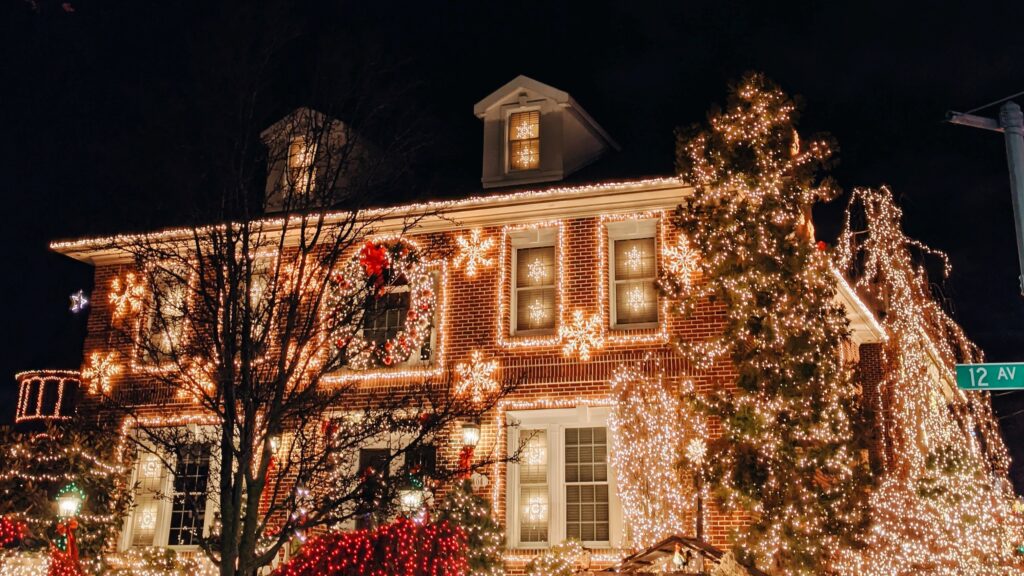
Even just 15 minutes outside of central D.C., proposals in Congress can feel abstract, even though everyone will feel the effects on household utility bills this holiday season. Policy debates happen in hearing rooms and in press releases, yet their consequences affect people far beyond that.
This winter season, temperatures have dropped on the East Coast, making heating necessary to stay warm. Homes during this time of year also glow with Christmas lights, trees, and decorations that stay on for most of the night and during the day. This causes energy spikes in households, even when families are already grappling with saving for more difficult financial decisions, such as traveling to visit family, meals, and gifts for their loved ones. With this, federal decisions determine whether families can stay warm without having to cut back this holiday season.
When lawmakers delay or repeal energy-related policies, higher costs are forced onto consumers. Even an extra ten to fifteen dollars a month can test household budgets, especially when energy use is highest and financial pressures are elevated.
The impact, however, is not shared equally among people across the nation. According to CBS, in 2021, many low-income households and people of color spent 8% of their income on energy bills, while other Americans spent only 2%. Renters also have little control over insulation or heating systems, meaning that they feel these increase the most. This means that they are forced to choose between warmth and other necessities. When action is delayed, families pay the price, making a tradeoff that is especially painful during the holiday season, when budgets are already stretched thin.




Leave a comment