
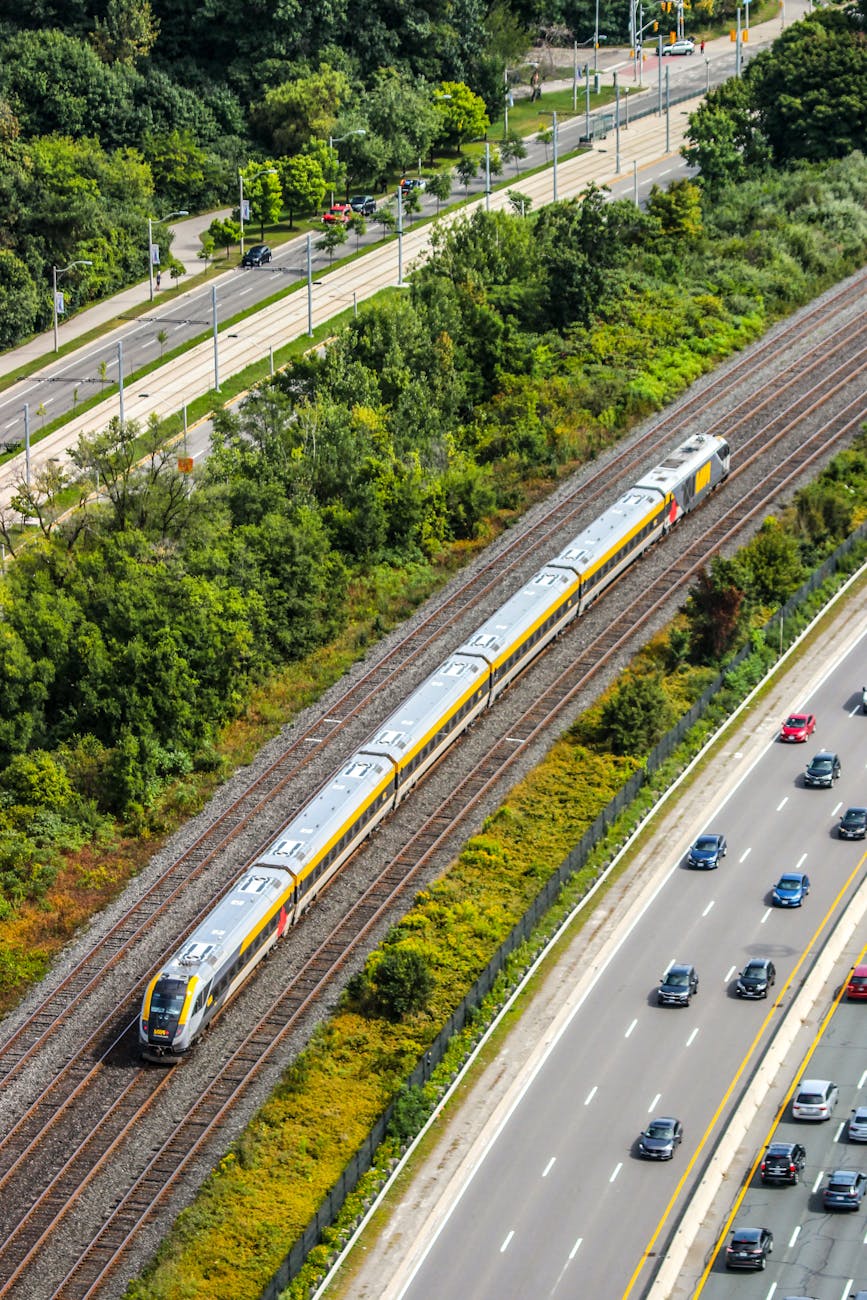
As I begin to finalize all the pieces of my legislative proposal on congestion and outdated infrastructure along Amtrak’s Northeast Corridor, I have been reflecting on the early stages of choosing my issue area and conducting the necessary interviews. The other day, I found the pros and cons list I put together earlier this year when I was still deciding whether or not to take this topic on at all. Looking at it now, I realize that it helped to lay the foundation for my problem and solution paragraphs that reflected the needs of tens of millions of commuters who rely on commuter rail.
The pros and cons list was as follows:
Pros:
- Modernizing century old bridges and tunnels that contribute to disruptions for commuters along the Northeast Corridor would reduce the chronic delays and improve reliability on the nation’s largest and busiest passenger rail system.
- The new projects and modernization of the tracks will help to create new job opportunities. Job opportunities would include construction, engineering, and operational roles to manage the upgraded infrastructure.
- The upgrades made on old infrastructure along the NEC would increase the safety of passengers and reduce the breakdowns. Therefore, the quality for travelers would increase because there would be less delays.
- Promoting rail service paves the way for a more sustainable transportation method because trains operate on significantly less carbon emissions per passenger mile compared to air travel.
- Upgrading a major national economic artery such as the NEC would support more economic growth and a larger contribution to the national GDP from the created transportation efficiency.
Cons:
- The total cost could exceed $100 billion because of inflation. This may strain federal budgets and lead to some arguing if the modernization is important enough to not be spent on other national needs.
- Coordination with Amtrak and other freight operations can be politically challenging, since each operator competes for limited track capacity. This could slow decision-making and making it harder to implement improvements smoothly.
- Predicting future demand for the rail network and ensuring long-term funding can be difficult, and past investments in American infrastructure have had unpredictable appropriations that have historically stalled rail work.
- If the large funding towards improvements doesn’t sufficiently increase the service speeds or capacity, critics might say the return on investment is too low compared to expectations, much like California’s high-speed rail.
- Large infrastructure projects like this have faced overruns and delays, where planning and construction took much longer than anticipated.







Leave a Reply